
The Strain of Stress
How life events can overwhelm us and how stress affects our mental health.

Weathering the Storm: Climate Change and Mental Health
Real world stories of how people cope with a rapidly changing environment.
The Reason for Sleep
Exploring the fundamental relationship between sleep and mental health.
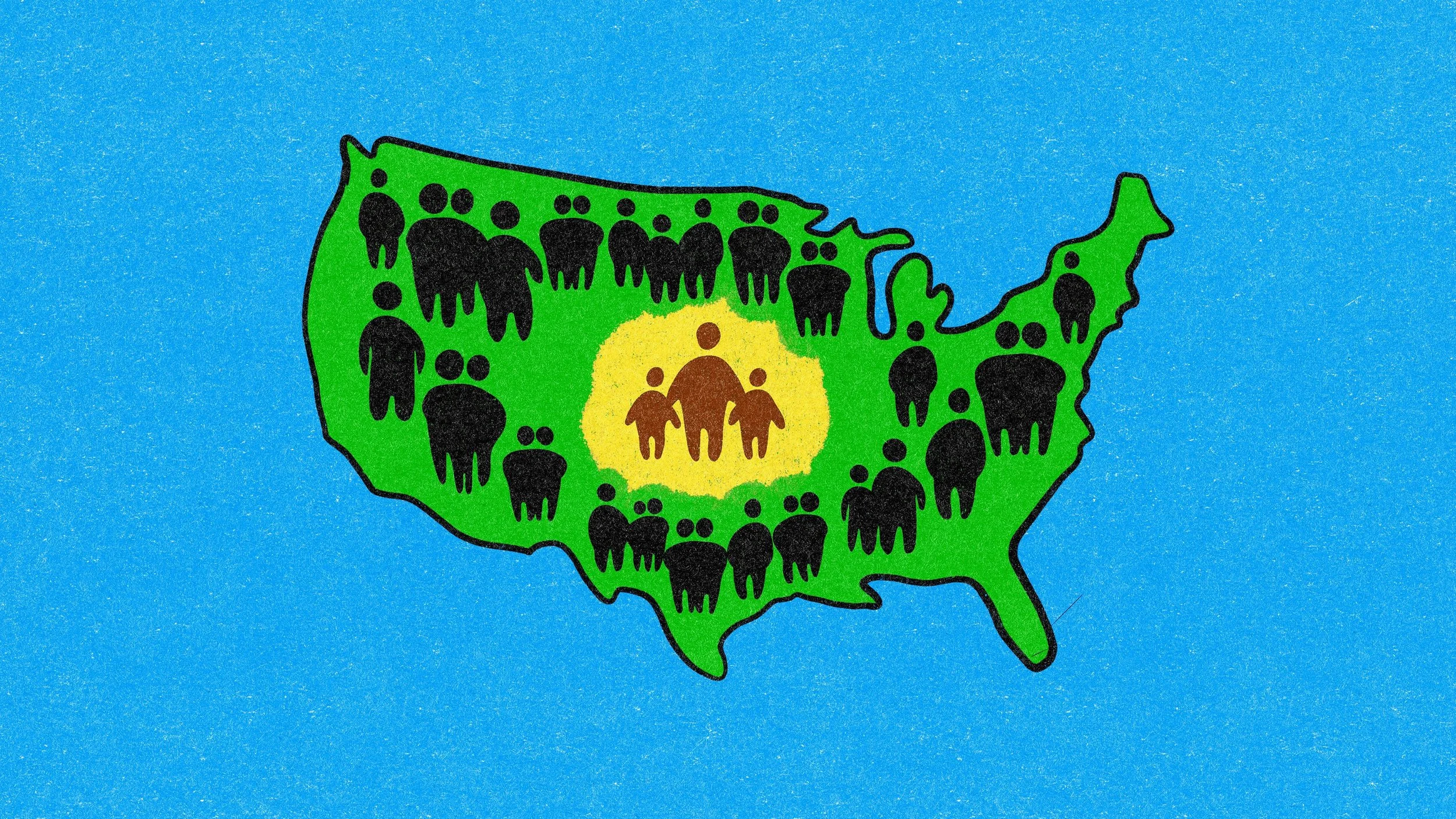
Immigration and the Challenge to Belong
Understanding the unique mental health challenges for immigrants in the United States.
Call to Mind: The Fifth Branch
In partnership with the Tradeoffs podcast, how Durham, North Carolina, reimagined its mental health crisis-response system.

Beyond the Mirror: The Challenge of Eating Disorders
An estimated 29 million Americans will suffer from an eating disorder in their lifetime. These mental illnesses can be profoundly disruptive to a person’s life and psychological wellbeing. And eating disorders can be deadly.

The Aging Mind
Studies show that one in four older adults live with a mental illness, such as depression, anxiety, and substance use disorders. But many older people don’t get the help they need. And America’s aging population is expected to double by 2050.

Promise & Peril: Technology and Mental Health
Technology is ever-present in modern life, from remote work to communities on social media, from dating apps to telemedicine. We live with an ever-expanding array of online options and an ever-growing list of new questions about how healthy it is to spend so much time online with our devices.

Treating the Young Mind
The phrase “if only” is often used concerning a person’s mental health. If only we'd known they were hurting. If only they’d been diagnosed sooner. Roughly one in seven children ages of 3 through 17 has a diagnosed mental or behavioral health condition.

Silent Battles: Mental Health & Military Service
Mental illness is the leading cause of hospitalization for America’s military service members. Anxiety conditions and post-traumatic stress disorders lead the list of diagnoses.

Birth & Depression: The Unspoken Conversation
Depression, anxiety and other mental health issues are the most common complications during and after pregnancy, yet 75 percent of postpartum problems go untreated. The consequences can be devastating. Suicide and overdoses are leading causes of maternal death in the United States.
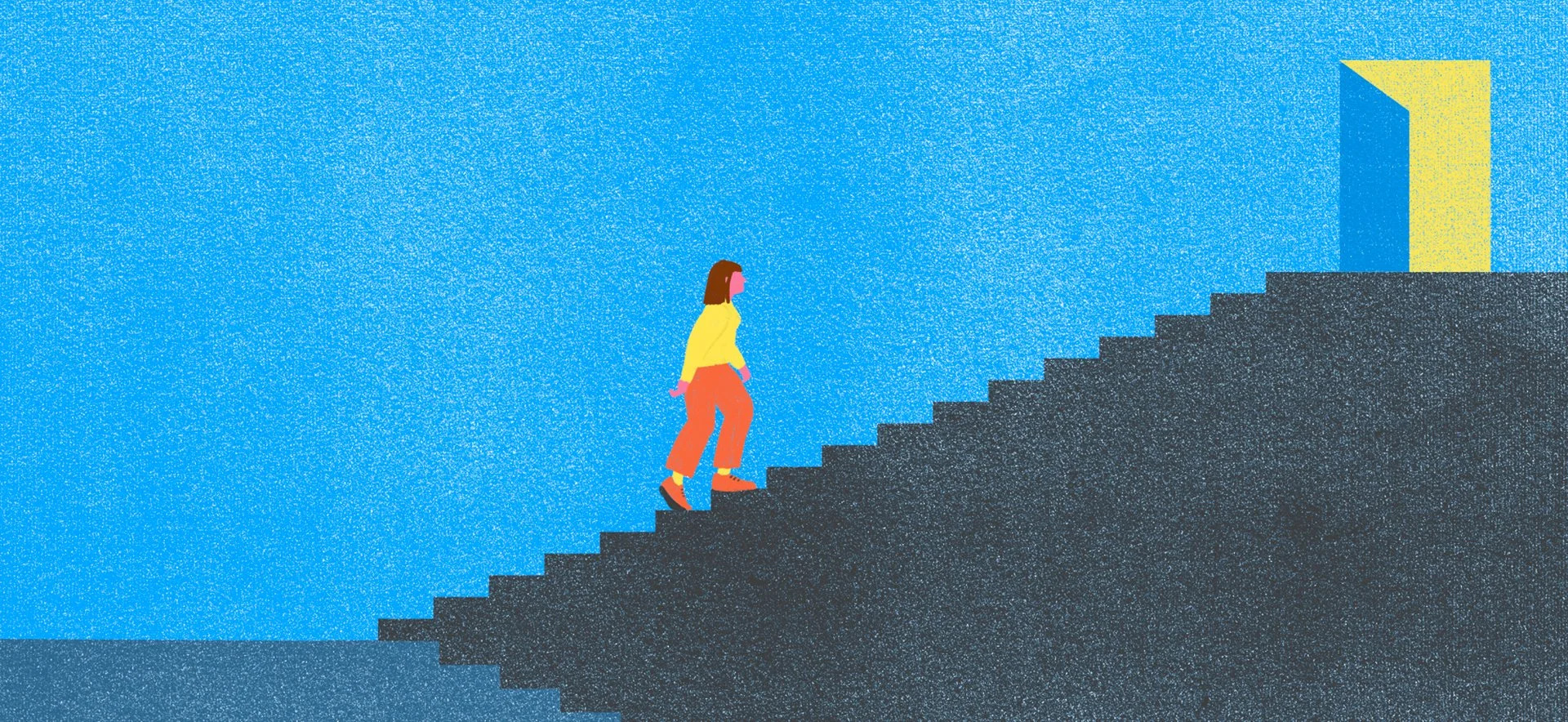
SCHIZOPHRENIA: FINDING HOPE ON A HARD ROAD
Schizophrenia affects about 24 million people worldwide. It can be a disruptive illness, making it difficult to find a meaningful job, attend school or manage relationships. People with schizophrenia require lifelong treatment, but there is hope. A growing body of research shows that with new interventions it’s possible to live well with the illness.
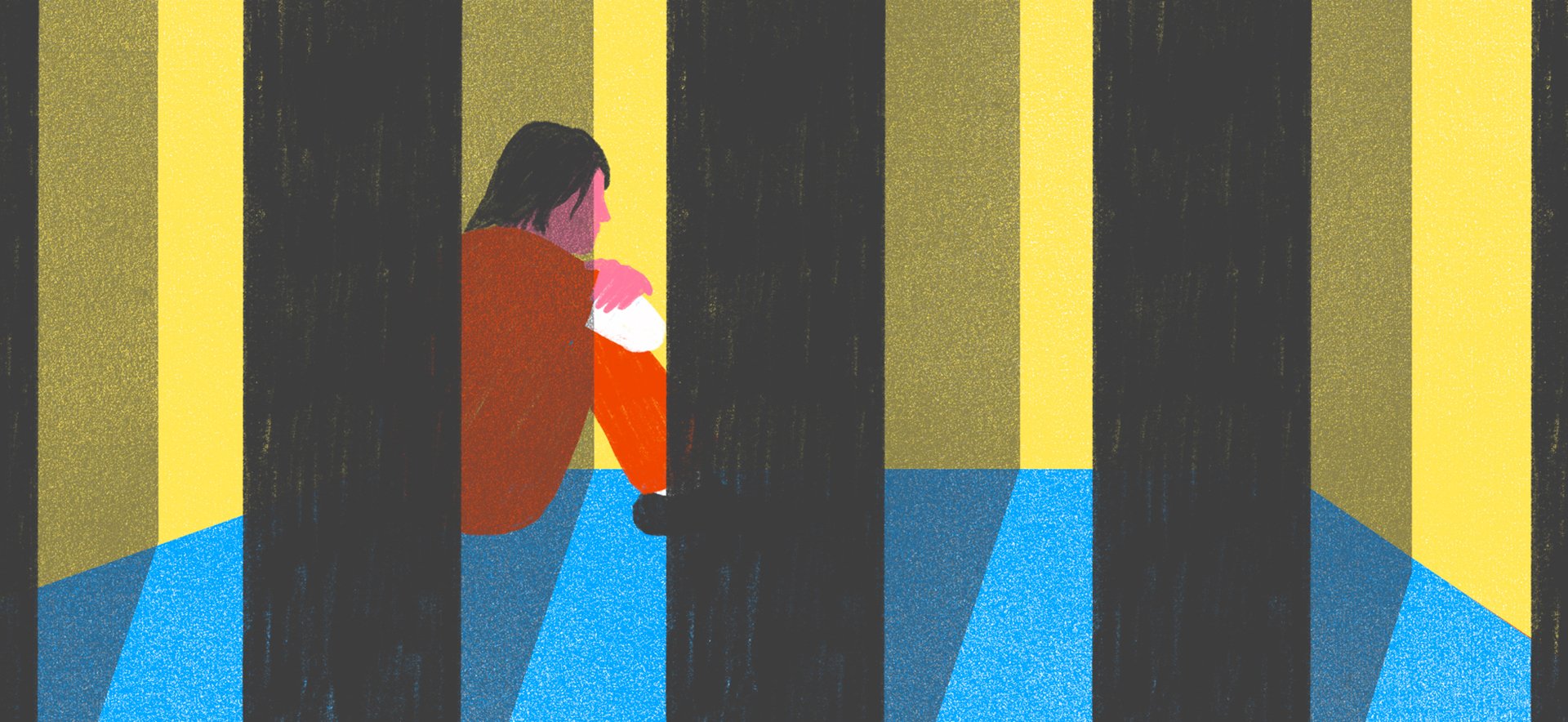
INCARCERATED WITH MENTAL ILLNESS
Nearly half of incarcerated Americans have a history of mental illness – that's twice the prevalence of mental illness in the adult population of the United States. People with serious mental illnesses encounter law enforcement and the court system for many reasons.

THE BURDEN OF BEING
Black women and girls experience discrimination, microaggressions and stereotypes every day. Living with daily racism has a profound impact on the mental health, well-being and lives of all those coping with it.

THE HOMELESSNESS CRISIS & MENTAL HEALTH
Homelessness in the United States reached a record high in 2023. On any given night, more than 650,000 people experience homelessness. People living homeless have higher rates of untreated mental illnesses and substance use disorders than the general population. That can make it difficult to find a permanent place to live.

Take time to raise awareness for eating disorders
Eating Disorders Awareness Week will be held February 26 - March 3, 2024, creating space for support and understanding.

Climate change and seasonal affective disorder
Sometimes referred to as SAD or seasonal depression, seasonal affective disorder is a mood disorder occurring at the same time each year that impacts about 5% of adults.
Substance Use & New Paths to Recovery
Addiction is at an all-time high in the United States and the results are deadly. During the COVID-19 pandemic, binge drinking increased by 21 percent and drug overdoses claimed over 100,000 lives in just a 12-month period. What causes a person to develop an addiction? Why are substance use disorders so complicated to treat? And what new treatments are giving people hope that recovery is possible?
Queer Youth Resilience & Mental Health
Considering LGBTQ+ youth face continued fights around their identity, what are mental health concerns specific to queer youth? And what support is necessary for LGBTQ+ teens and young adults to best take care of their well-being amid a national political climate that’s working against them?

What is 'real' self-care?
Dr. Pooja Lakshmin, a board-certified psychiatrist who specializes in women’s mental health, wants us to shift our thinking about self-care. Her new book Real Self-Care: A Transformative Program for Redefining Wellness (Crystals, Cleanses, and Bubble Baths Not Included), covers what self-care is and what it isn’t and shares four key principles necessary to perform self-care.
Seeking Connection
For people of all ages, social connections are critical to health and wellbeing. Experts say we are inherently social creatures — hardwired to engage and depend on others for support throughout a lifecycle. Doctors and health researchers have signaled concerns about loneliness for decades — forced isolation during the COVID-19 pandemic introduced many more people to daily struggles with loneliness.

'We want to be accepted': Clubhouses offer hope to those with mental illness
Fountain House pioneered what is now known as the clubhouse model, which are community-based programs that provide social support for severe mental illnesses such as schizophrenia, major depressive disorder and borderline personality disorder.

Amid opioid epidemic, Phoenix nursery pioneers care for babies in withdrawal
A Phoenix nursery is at the forefront of a movement advocating for a new care model for babies born with neonatal abstinence syndrome.

Journaling for mental health
This January, consider journaling for your mental health. As we enter a new year with new goals, dreams, aspirations and challenges, journaling can be a beneficial tool to check in with yourself about your emotional and mental health on a daily basis.

Searching for Providers of Color
The mental health treatment field is disproportionately white. What barriers do people of color face while trying to find care? And how important is it to find a provider that can identify with a person’s race, culture and experiences? “Searching for Providers of Color” explores the BIPOC mental health provider workforce shortage, and examines the impact on people of color looking for appropriate care.

988: A CALL FOR CRISIS CARE
What actually happens when someone dials 988? How is the Lifeline serving as a tool to improve mental health emergency response? And is there a path between mental health emergencies and recovery? “988: A Call for Crisis Care” reviews the rollout of 988, explores the state of mental health crisis response, and asks how crisis care can be improved.
SPOTLIGHT ON YOUTH MENTAL HEALTH DURING COVID
“Spotlight on Youth Mental Health During Covid” explores the mental health experiences of young people during the COVID-19 pandemic and considers the systems of care available to youth. We’ll examine the role of school, educators, and school mental health professionals on the frontlines of the youth mental health crisis and explore the shared responsibility of schools and healthcare systems to support this nation’s youth.

For kids who lost parents to COVID, the financial consequences compound the emotional toll
Losing a parent means some children may lose a primary breadwinner. And that can have long-term financial implications for children for years later.

Spotlight on the Confusion of Covering Mental Health Care
The Department of Labor released a new report in January showing that insurers and health plans are failing to show how they cover mental health like other physical care treatments. The Mental Health Parity and Addiction Equity Act has been law since 2008, yet health plans are unable to clearly show how they provide equitable appointments and payments to people seeking care.
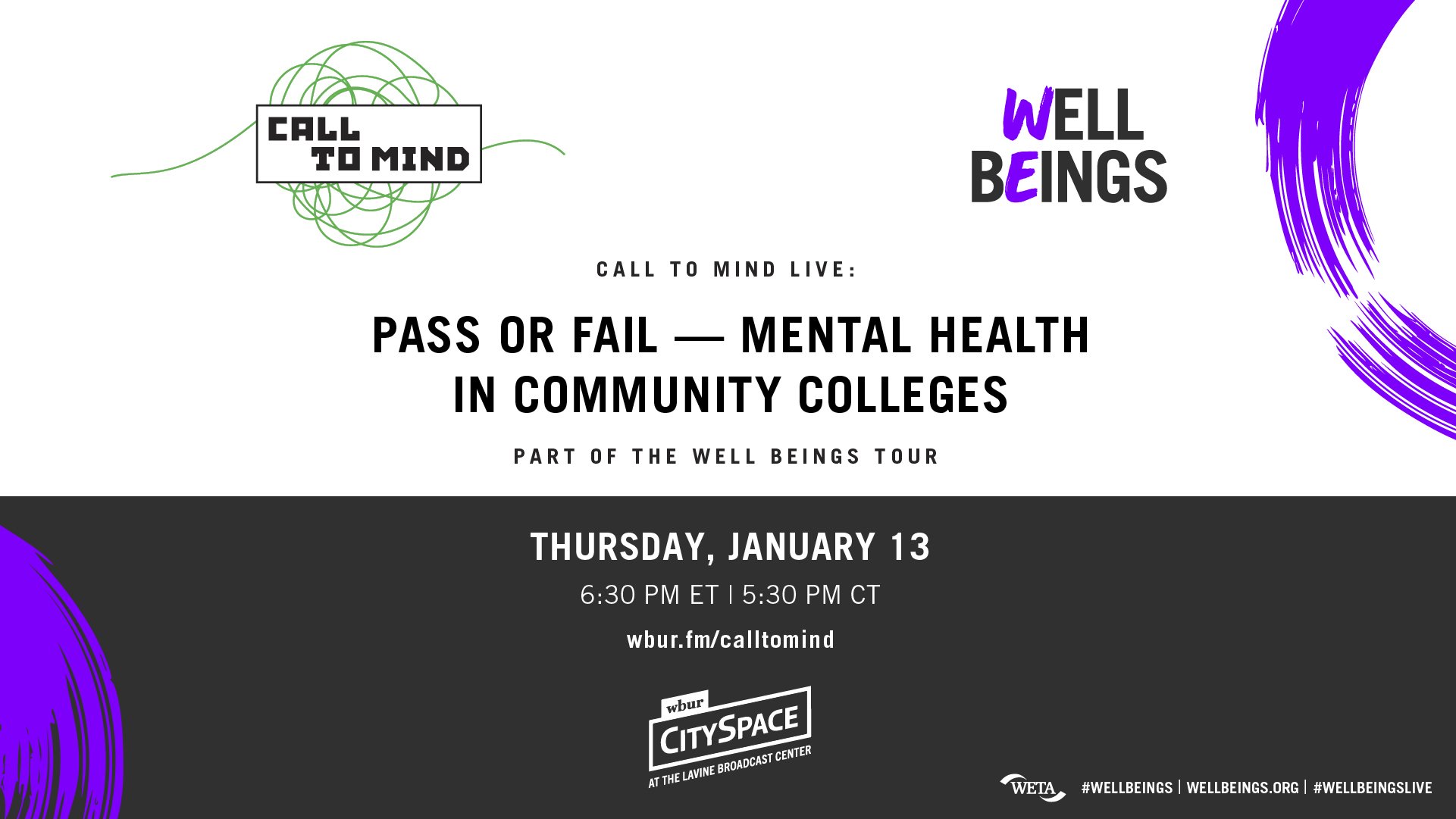
Pass or Fail — Mental Health in Community Colleges
For many Americans, community college is an important path toward climbing the economic ladder. Programs can be more accessible to a wider swath of the public and offer vital certifications and degrees in trades, frontline medical work and other core aspects of our economy. Community college students often juggle classes with raising families, working or dealing with other stressful constraints on time. But unlike four-year universities, mental health services at community colleges are severely lacking or non-existent.
Student Athletes Have an Easier Time Accessing Mental Health Care on Campus
One group of college students, athletes, routinely get more access to mental health services as an effort to care for the whole athlete. This care is gaining traction, but it is fair to other students?
The pandemic has more people turning to a 'therapist in your pocket'
The grief and stress of the COVID-19 pandemic have led to a spike in demand for mental health care. But amid a nationwide shortage of providers, more people are turning to remote — or virtual — care.

A Look Inside College Mental Health
Even before the COVID-19 pandemic, college counseling services were reporting an uptick in the number of students with serious mental health conditions. A new documentary focuses on colleges’ responses to a perceived mental health crisis among students and asks: What is a college’s responsibility for helping students navigate mental health challenges?

Getting Real Care, Virtually
Do you have a computer or mobile device with reliable internet connection? It’s an important question mental health providers and clinics have been asking since the COVID-19 pandemic response started. People who can answer “yes,” are often able to connect with licensed mental health providers.

Simple Steps to Manage Work Stress
Workplace stress can get the best of us all. And beyond the blows to your performance and productivity, workplace stress can affect your mental health.

Why You Need to Take Your Vacation Time
One of the best ways to combat chronic work-related stress, potential burnout or even job dissatisfaction is to take your well-earned PTO. Multiple studies conclude, using vacation time reduces stress.

School, activities, life has changed because of COVID-19. Many teens are attending school from home, logging in to online classes, some for the first time when their school closed to flatten the curve. It’s hard not being able to see and talk to friends and teachers daily like we did pre-COVID. All these changes can negatively impact wellness and mental health.

Right now, more than ever, it’s important to be honest about how we’re feeling and listen to our loved ones. And, what we say, what we ask, and how talk can be just as important as doing it. The words we use can have unintended effects of making someone feel othered or discriminated. It’s important to use treatment-positive language. We’ve compiled some resources about proper language to use and example questions you can use to get the conversation started.

World Health experts know mental health = health, and COVID-19 is having an impact. It’s normal to feel stressed, confused, scared, sad, or angry right now. Get facts for how to cope.

How to cope with feeling stressed, scared, confused, sad or angry right now. First, know those feelings are normal. Global health experts know mental health = health, and coronavirus is having an impact. Talking about how you’re feeling can really help. Get some sleep. Try to maintain some routines

Dealing with Loneliness and Isolation
Feeling isolated from all the social distancing? You’re not alone. We’re all dealing with this together. Here are some great tips for coping with COVID stress and separation.

Immediate Mental Health Crisis Resources
Are you thinking about suicide? Hold on. You Matter. Help is close, 24/7/365. Text TALK to 741741 for the Crisis Text Line or call the National Suicide Prevention Lifeline at 1-800-273-TALK (8255). You can also call SAMHSA Disaster Distress Helpline at 1-800-985-5990 or text TalkWithUs to 66746.

Living with Mental Illness
You, or someone you know, was already dealing with a mental health condition before coronavirus was a thing. Talking virtually to your therapist, family & friends now is as important as social distancing and trying to quarantine. Self-care = care. All. The. Time. Especially now.

How to talk with Children about coronavirus
We’re hearing about COVID-19 all the time, so are the children in our lives. It’s important for children to know what we’re all dealing with, but the way we talk about coronavirus can really affect a child’s well-being. Children need information that is appropriate for their developmental age.
Here are some useful resources for adults that can help have more mindful conversations with children about the 2019 coronavirus disease.